
Retail and eCommerce Case study
Beliri: designer marketplace iOS payments and Shopify sync
Native Stripe and PayPal checkout in the iOS app of Beliri, a marketplace for new and pre-owned designer goods, and a Shopify connector that brings merchant catalogues into the marketplace.
- Swift
- iOS
- Node.js
- MongoDB
- Stripe
Overview
Beliri is a marketplace where people buy and sell new and pre-owned designer goods through web and iOS apps, with chat, offers, a wallet and disputes. We worked on the payment and catalogue side: native Stripe and PayPal checkout in the iOS app, and a Shopify integration that lets professional sellers bring their store products into the marketplace instead of listing them one by one.
The challenge
A buyer should pay inside the app without being sent to a web page, and a seller with an existing Shopify store should not have to retype stock. Both depend on the marketplace API confirming every payment and keeping listings in step with the outside store.
What we built
- Native checkout in the iOS app with Stripe and PayPal
- Payment confirmation and order recording in the Node.js API
- A Shopify integration: store connection, product webhooks and a scheduled import of products
- Mapping of imported Shopify products onto the marketplace's categories, conditions and sizes
- Management of imported listings and store details inside the marketplace
How a system like this fits together
Reference architecture: marketplace iOS payments and Shopify catalogue sync
Simplified reference architecture, not a client schematic.
- A merchant connects their Shopify store to the marketplace; the API handles the store connection.
- Shopify sends product webhooks to the API, and a scheduled job (node-cron) imports the catalogue in the background.
- Imported products are mapped onto the marketplace categories, conditions and sizes and stored in MongoDB.
- A buyer pays natively in the iOS app with Stripe or PayPal; the app calls the API over REST and the API confirms the payment with the provider.
- The API records the order in MongoDB.
Technology used
| Layer | Choice | Purpose |
|---|---|---|
| Mobile | Swift, native iOS | buyer and seller app with native checkout |
| API | Node.js, Express | orders, payments and listings |
| Data | MongoDB | users, products and orders |
| Payments | Stripe, PayPal | card and wallet payments in the app |
| Integration | Shopify API | import merchant catalogues |
What happened next
- Delivered
The work described above was delivered to the client.
- Operational facts
- Our work on this project spanned 2024–2025.
Could this be your project?
- You are planning an iOS or Android app, or have one that needs a stronger back end behind it. Mobile app development
- You run a retail brand or an online store and need custom ordering, checkout, catalogue or customer-loyalty rules. eCommerce solutions
- You work in retail and ecommerce and want a team that has built for it before. Retail and eCommerce work
Questions about this project
How long did this project take?
Our work on it ran from 2024 to 2025.
What technology was used?
Swift, iOS, Node.js, MongoDB, Stripe, Shopify, PayPal, Express.
Similar work
Also iOS and Node.js, same industry
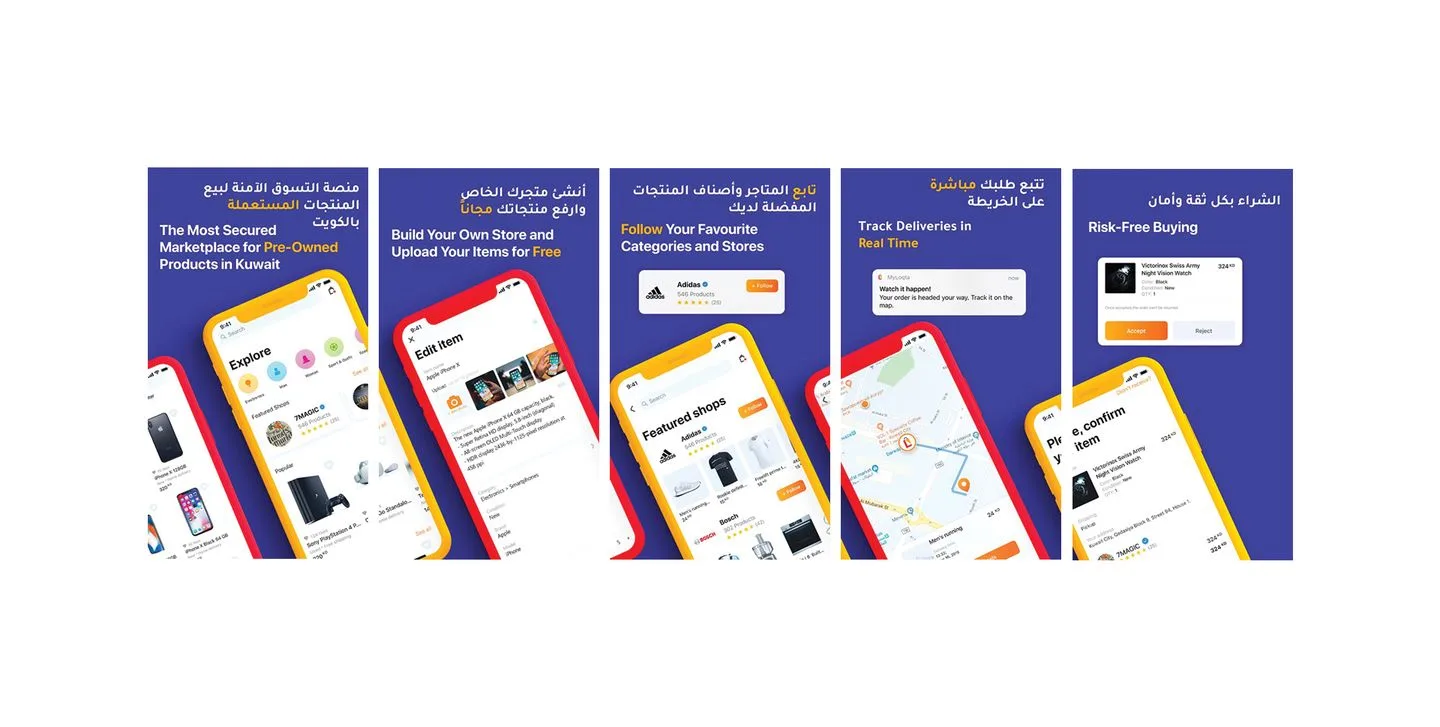
myLoqta: local buy and sell marketplace app
A buy-and-sell marketplace app for Kuwait with separate customer, vendor and driver interfaces, a Magento and Node back end, wallets, order tracking and Hesabe payments.

Also Node.js and Shopify, same industry
Bootea: Shopify store for natural wellness teas
A Shopify store for a natural tea and teatox brand, with the usual store pages, accounts, calls to action and social and payment integrations.
Also iOS and Node.js, also a mobile app
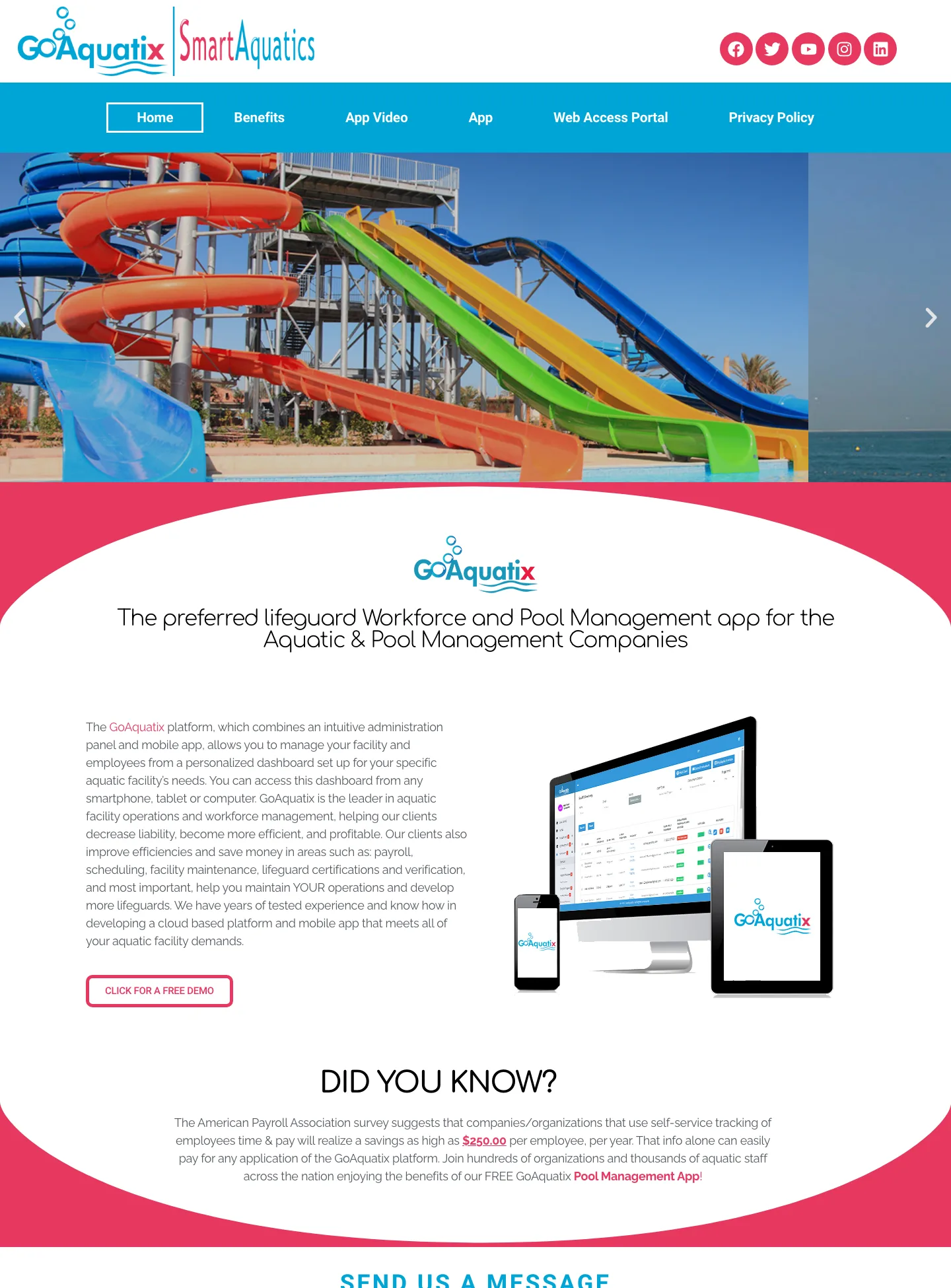
GoAquatix: aquatic workforce management platform
A MEAN-stack web app and iOS/Android apps for field-staff scheduling, duty and incident reports, water-safety testing, repair requests, training and hiring across aquatic facilities, built and maintained for six years.