
Operations and facility management Case study
Also: Business software and compliance
GoAquatix: aquatic workforce management platform
 goaquatix.com (opens in a new tab)Android app: Google Play (opens in a new tab)iOS app: App Store (opens in a new tab)
A MEAN-stack web app and iOS/Android apps for field-staff scheduling, duty and incident reports, water-safety testing, repair requests, training and hiring across aquatic facilities, built and maintained for six years.
Overview
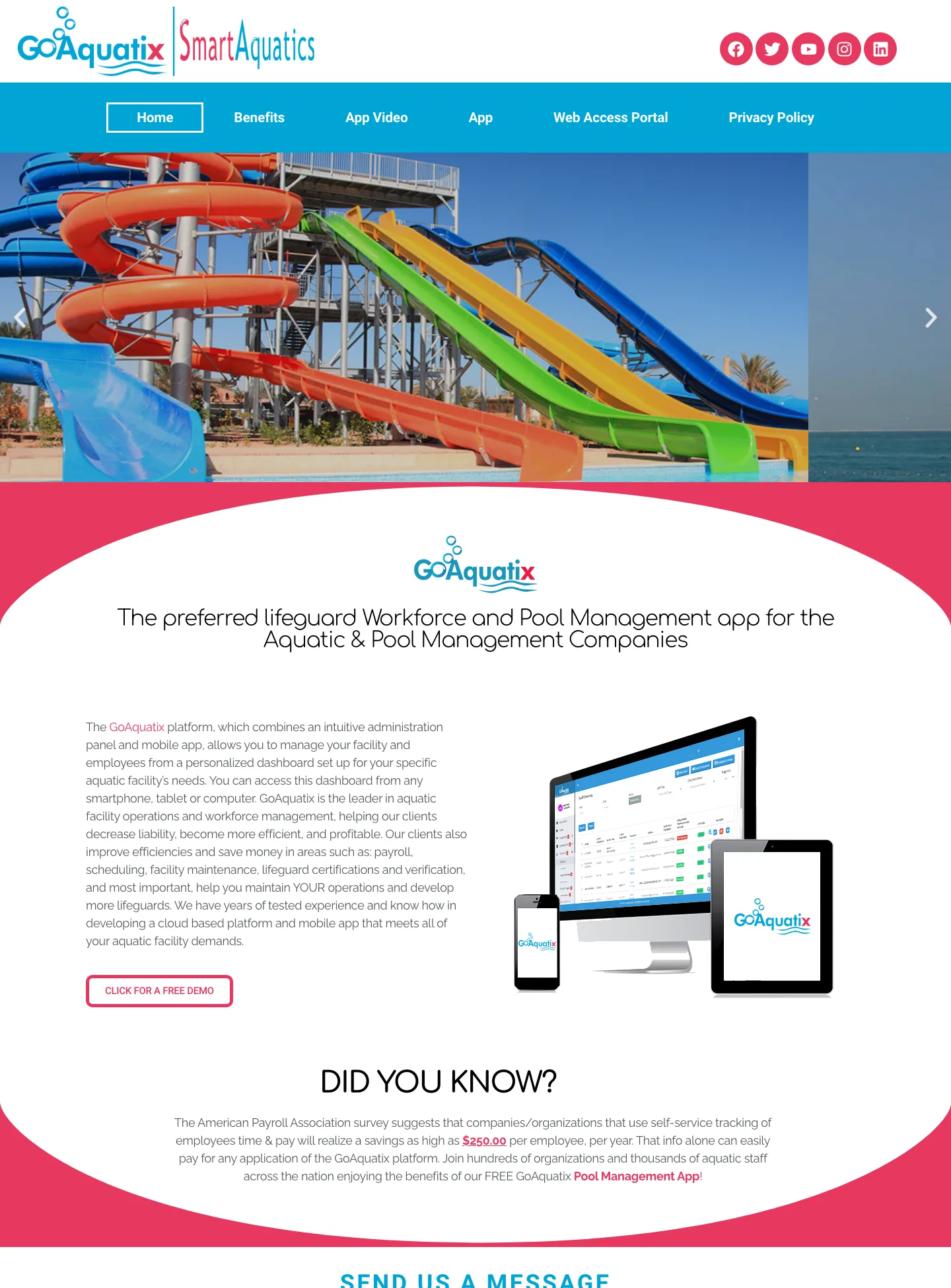
GoAquatix is a workforce and pool management platform for aquatic facilities. Staff, customers and administrators use web, iOS and Android apps for scheduling, duty reporting, incident management and communication, and an applicant tracking and onboarding system covers hiring. We built and maintained it for six years.
The challenge
Several aquatic companies share one platform, and different staff types need different permissions on the same data, duties and clock-in rules have to be exact, and the system had to grow from a first release to a large codebase without slowing down. It was later moved from MySQL to MongoDB and upgraded to current Angular.
What we built
- Web app and iOS/Android apps for staff, customers and administrators
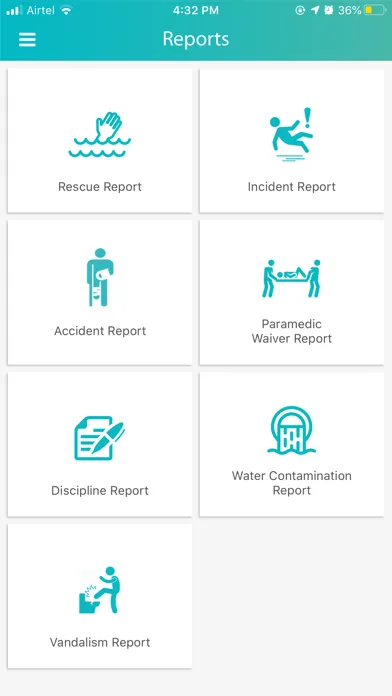
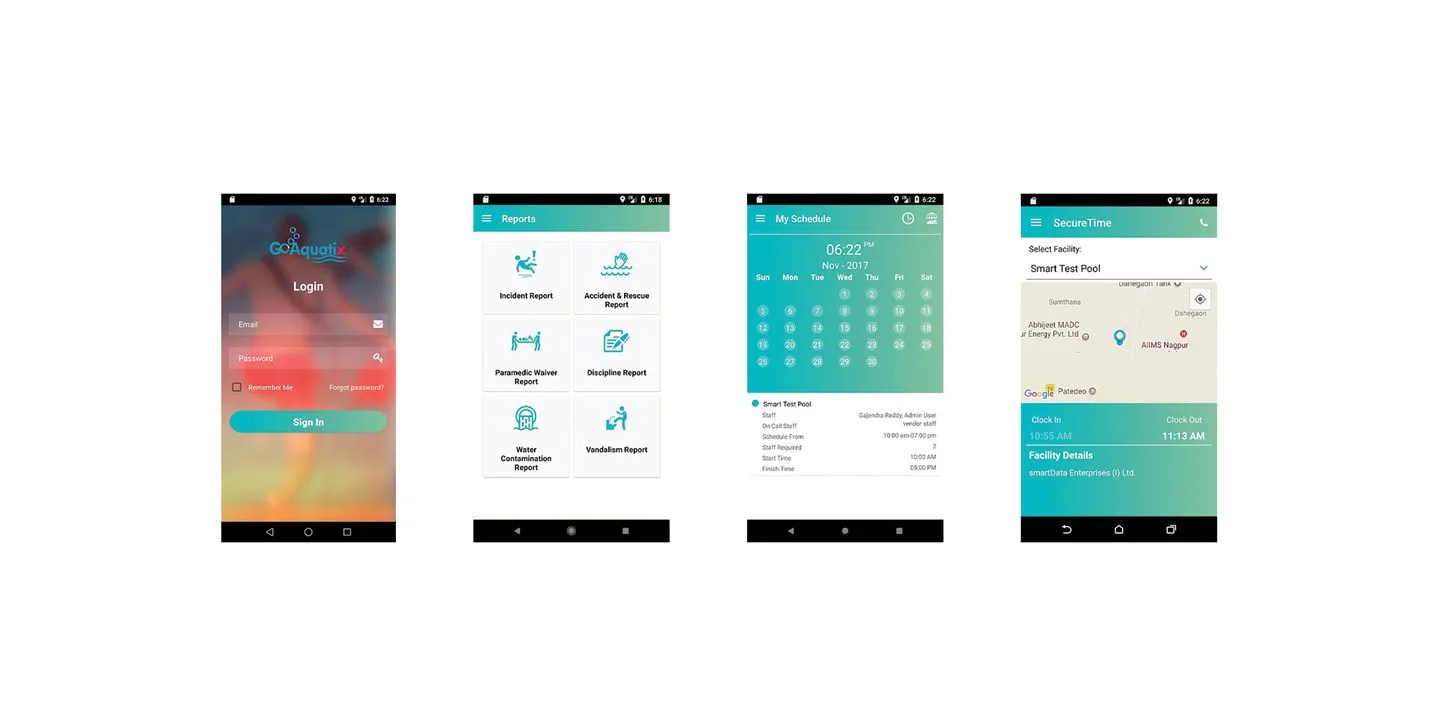
- Scheduling, timesheets, duty reports and facility inspection reports
- Incident and lifeguard audit reporting with permission rules by staff type
- A hiring system with applicant tracking, offer letters, e-signatures and onboarding forms
- Real-time chat (QuickBlox and Socket-based) with group management
- Push notifications for duties, schedules and emergency calls
- Subscriptions and uniform orders with PayPal webhooks, and a support ticket system
- Payroll and staff count reports, database migration from MySQL to MongoDB, performance cleanup and Angular upgrades
- GPS-based clock-in and clock-out with staff schedules and leave requests
- Task and duty management with personal dashboards, reminders and alerts
- Water-safety test records, a repair request centre, and training videos and documents for staff
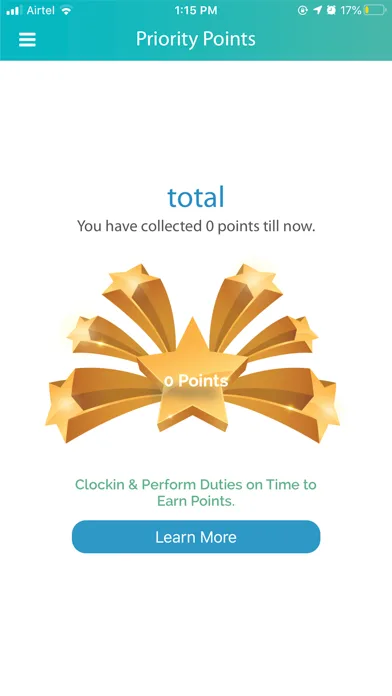
- A points-based loyalty programme for staff
- Registration of pools and staff, and tracking of pool activities and the staff working on them
- A personalised profile and a dashboard set up for each facility, reachable from any smartphone, tablet or computer
- Company accounts for each operator, with settings and module permissions per company and per staff type
- Staff certificate upload with review and expiry tracking, and reminders before certificates lapse
- Scheduled alerts for missed clock-ins, hours over budget, auto clock-outs and unfinished duties, plus daily open and close duty checklists
- Selfie check at clock-in and clock-out alongside GPS, and facility inspection and public-health inspection records
- Onboarding forms with signature capture and PDF output, a customer portal, and a documented REST API for the web and mobile apps
- Pool chemical tracking: chemical types and chemical readings entered in the facility reports
- Weather and temperature duties, with the conditions recorded in the duty reports
- An emergency call log with important and other emergency contacts for each facility
- A staff priority points system, with points added per person, history kept and an annual reset, plus reports on the points
- Announcements with read status, and birthday and work-anniversary notifications
- Company registration with free-trial days followed by a PayPal subscription
How a system like this fits together
Reference architecture: aquatic workforce and pool-management platform
Simplified reference architecture, not a client schematic.
- A staff member clocks in from the iOS or Android app, which sends a GPS position (and a selfie) to the API.
- The Node.js API checks the clock-in against the facility and the staff member's schedule and permissions, and stores the timesheet in MongoDB.
- Scheduled jobs (cron, running alongside the API) read schedules and timesheets in MongoDB to find missed clock-ins, hours over budget and unfinished duties.
- Alerts go out as push notifications (Firebase Cloud Messaging), emails (SendGrid) and SMS (Twilio).
- A manager reviews timesheets and reports in the Angular web app, chats with staff through QuickBlox, and company subscriptions are paid through PayPal.
Technology used
| Layer | Choice | Purpose |
|---|---|---|
| Web | Angular, PrimeNG, Chart.js | web app for staff, customers and administrators |
| Server | Node.js, Express, scheduled jobs | REST API for the web and mobile apps, and the alerts and daily duty jobs |
| Database | MongoDB | data store, migrated from MySQL |
| Messaging | Firebase Cloud Messaging, SendGrid, Twilio | push, email and SMS notifications |
| Payments | PayPal | subscriptions and uniform orders through webhooks |
| Mobile | Native Android (Java) and iOS (Objective-C) | staff apps with GPS clock-in, schedules, duties and reports |
| Chat | QuickBlox | real-time chat with group management |
What happened next
- Delivered
The work described above was delivered to the client.
- Operational facts
- Our work on this project spanned 2019–2025.
- It was maintained and extended over 6 years.
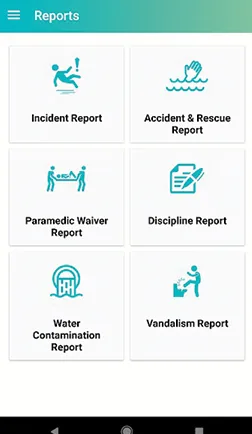
Screens

Could this be your project?
- You need a web application with user accounts, admin tools and reporting. Website and web app development
- You are planning an iOS or Android app, or have one that needs a stronger back end behind it. Mobile app development
- You work in operations and facility management and want a team that has built for it before. Operations and facility management work
Questions about this project
How long did this project take?
Our work on it ran from 2019 to 2025.
What technology was used?
iOS, Android, Angular, Node.js, MongoDB, Firebase, Twilio, PayPal, Google Maps, QuickBlox, PrimeNG, Express, Chart.js, Java, SendGrid, Objective-C, HTML/CSS, Git.
Was it maintained and extended over time?
Yes. Our work on this project was maintained and extended over 6 years, from 2019 to 2025.
Similar work
Also iOS and Android, same industry
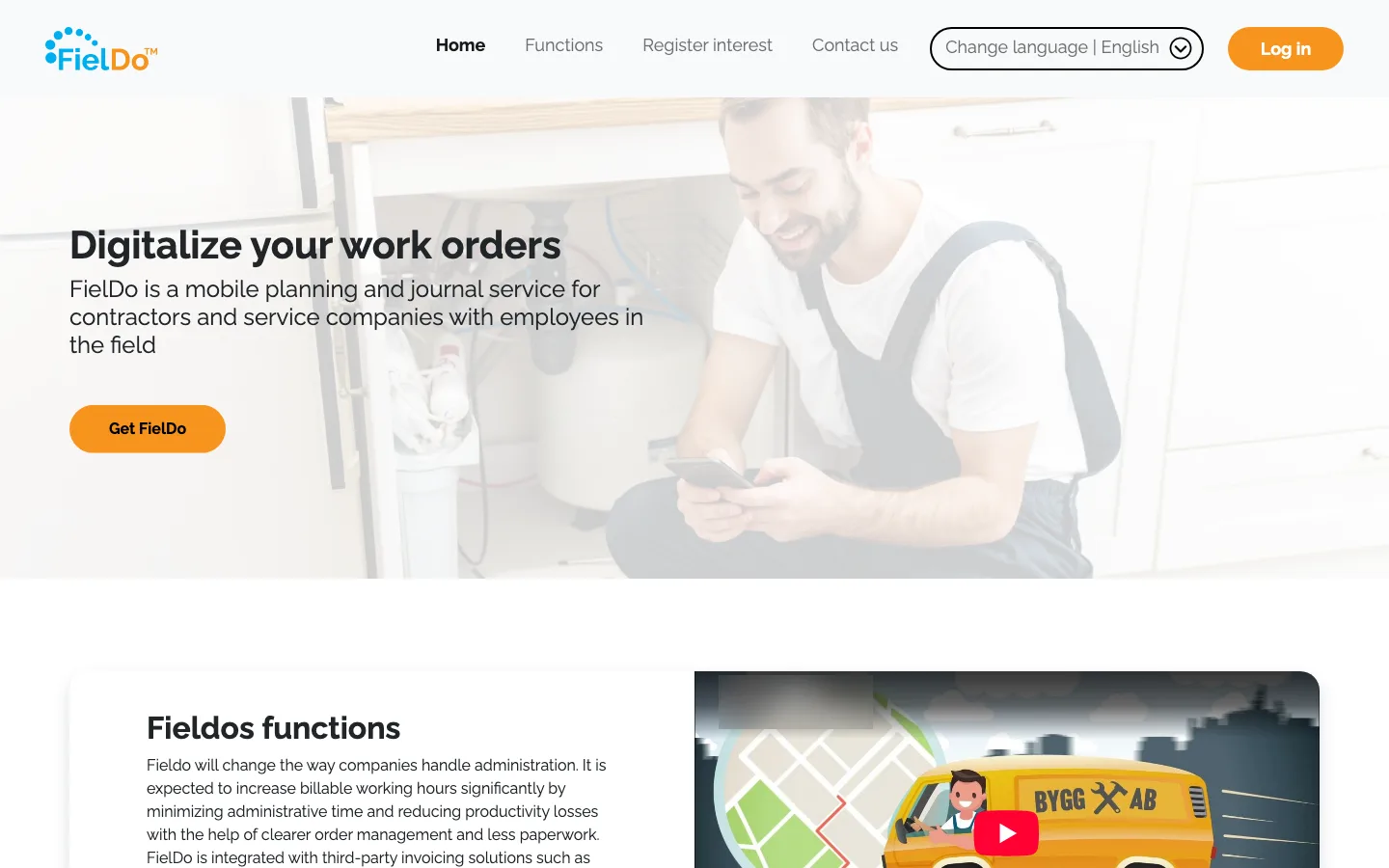
Fieldo: field work orders and communication app
Fieldo, a cloud service with iOS and Android apps and a web portal where managers plan projects, workers log time, expenses and materials, and customers follow status and costs.
Also iOS and Android, same industry
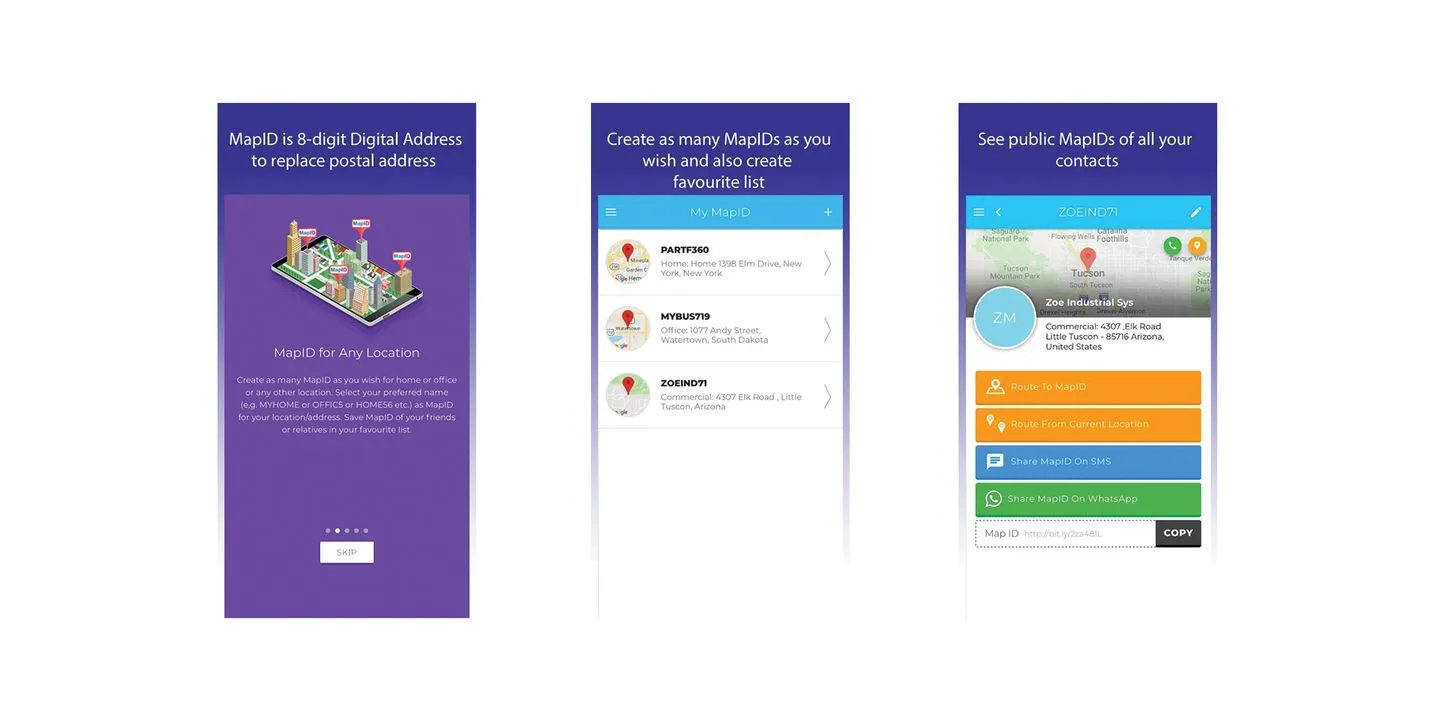
MyAddressPin: unique map ID for any location
A digital address service: users create a unique 8-digit MapID for any location, share it and get route guidance, on a Node.js web app and Flutter mobile apps sharing one Firebase back end.
Also iOS and Android, same industry
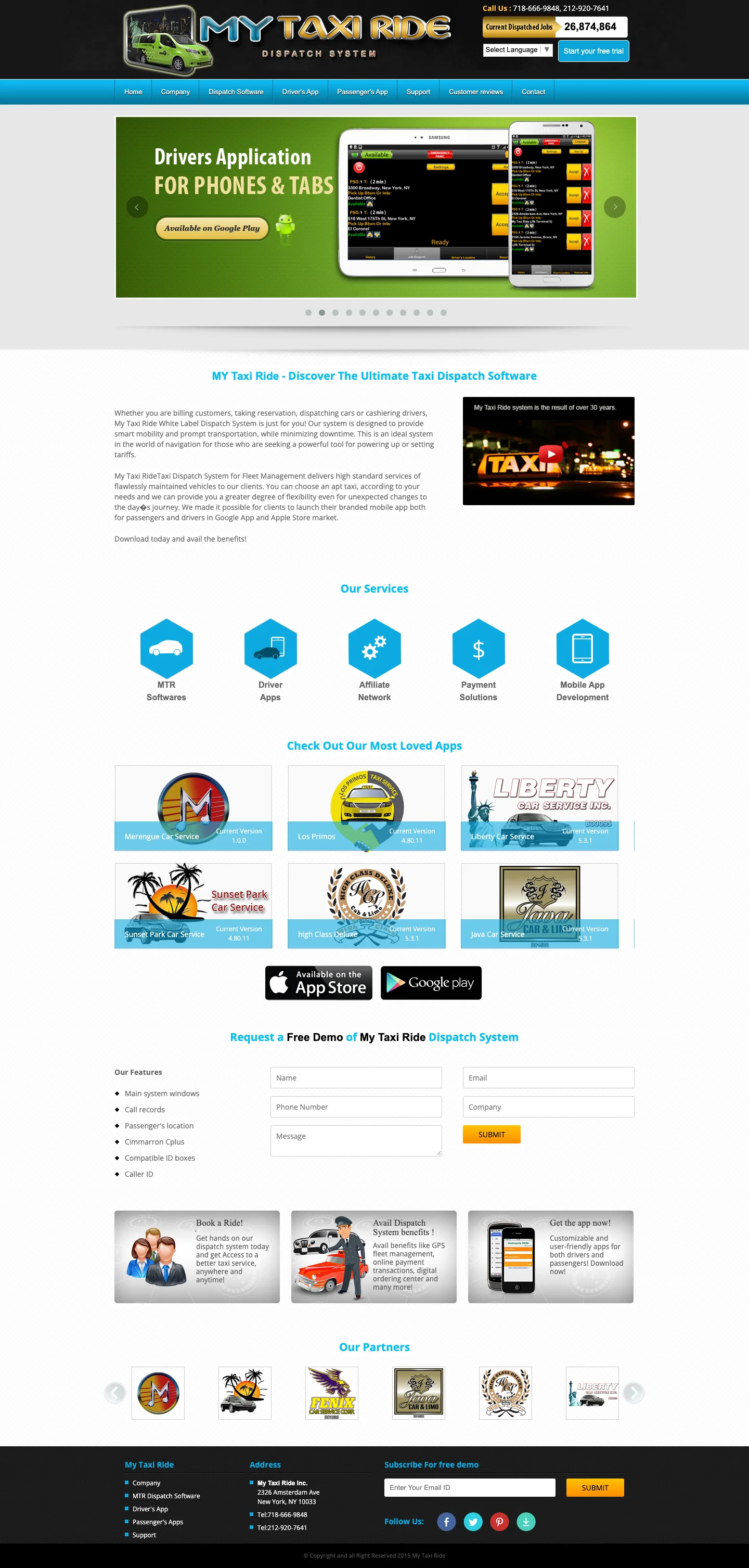
My Taxi Ride: taxi dispatch and booking platform
Passenger and driver apps for iOS and Android, a dispatch admin panel with reporting, APIs, SIP calling and the public website for the My Taxi Ride dispatch system, built over four years.