
Public safety and government Case study
AI assistant that guides residents to city services
A chat assistant that answers property and permit questions from city documents and live GIS layers, cites its sources and routes people to the right department.
- Angular
- .NET
- SQL Server
- Semantic Kernel
- RAG
Overview
A US city wanted residents, contractors and businesses to get answers about their property or project without searching through ordinances and department pages. The assistant answers from the city's own documents, shows where each answer came from, looks up the address on live map layers, and points people to the right department or form. We built and upgraded the chat interface, the retrieval pipeline and the back end behind it.
The challenge
Answers about zoning, permits and property have to be right and traceable, so they come from the city's documents with citations, and address questions depend on current map data. People also need to be sent to the correct department.
What we built
- A chat interface with persistent chat history, and an embeddable web component for other sites
- Retrieval-augmented answers from ingested codes, ordinances and city documents, with citations and department routing
- A knowledge base rebuilt with better chunking, extended as more city documents were added
- Address lookups across 17 live map layers (zoning, council districts, municipal boundaries, flood zones, schools and more), shown on a map in the chat
- Photo upload: the assistant analyses a photo of a property issue with vision and suggests the matching service request form
- A tidier database layer, with stored procedures and a consistent naming scheme
- Upgrades of the Angular front end, the .NET back end and the AI framework, including a security fix
- Testing across development and production environments
Technology used
| Layer | Choice | Purpose |
|---|---|---|
| Front end | Angular, Leaflet | chat interface, embed and in-chat map |
| Back end | .NET, Dapper | chat API, routing and knowledge ingestion |
| Data | SQL Server | chat history and knowledge base |
| AI | Semantic Kernel, retrieval-augmented generation, vision model | cited answers and photo analysis |
What happened next
- Delivered
The work described above was delivered to the client.
- Operational facts
- Our work on this project took place in 2026.
Could this be your project?
- You have a defined job in a real process that automation or AI could take on. AI services
- You need a web application with user accounts, admin tools and reporting. Website and web app development
- You work in public safety and government and want a team that has built for it before. Public safety and government work
Questions about this project
How long did this project take?
Our work on it took place in 2026, with 400+ engineering hours logged in total.
What technology was used?
Angular, .NET, SQL Server, Semantic Kernel, RAG, Dapper, Leaflet.
Similar work

Also Angular and .NET, also a web app
Xpress Money: global remittance platform
Xpress Money, a remittance platform for Wizz Financial: Angular portals and .NET services deployed on Azure, with the commercial ESB replaced by Azure Service Bus.
Also Angular, also a web app
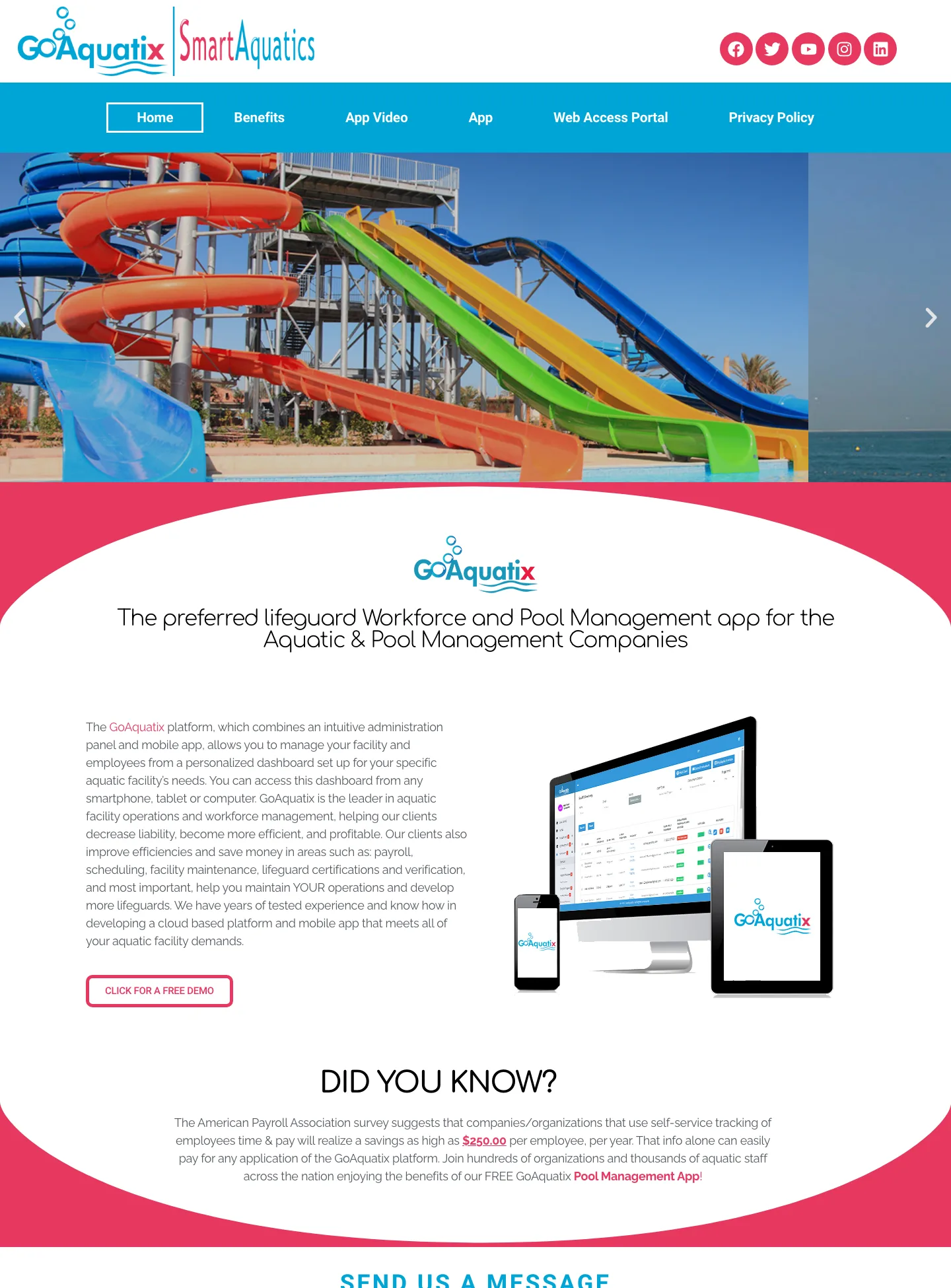
GoAquatix: aquatic workforce management platform
A MEAN-stack web app and iOS/Android apps for field-staff scheduling, duty and incident reports, water-safety testing, repair requests, training and hiring across aquatic facilities, built and maintained for six years.
Also Angular, also a web app
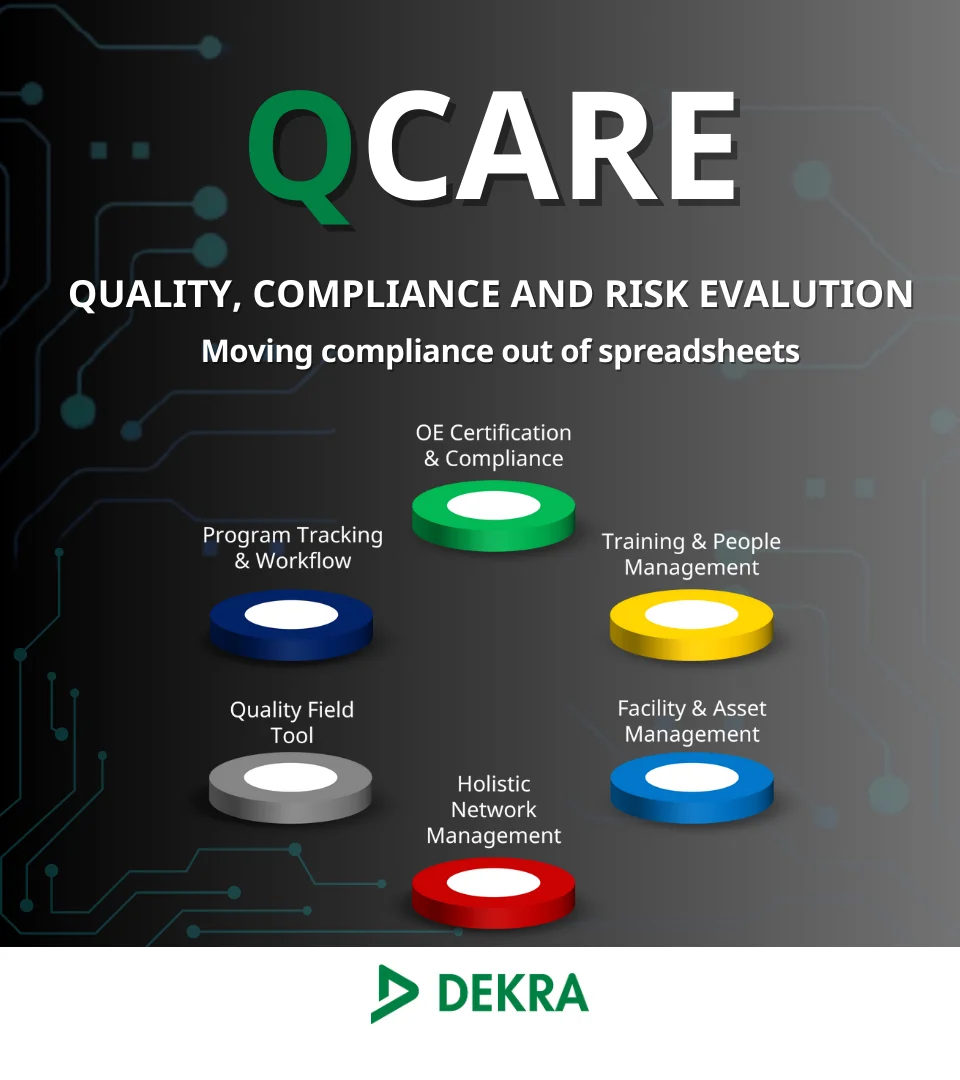
QCare: compliance platform for DEKRA
QCare, DEKRA's quality, compliance and risk evaluation platform on the Collabtic service platform: certification and compliance tracking, organisations, training, shop certification and headquarters dashboards, on an Angular front end and a PHP API.