
Retail and eCommerce Case study
Prime Scuba: Magento store and product manager
 primescuba.com
A Magento redesign and re-platform of the Prime Scuba dive-gear store, plus a CakePHP product information manager that queues catalogue changes and pushes them to Magento.
Overview
Prime Scuba sells scuba diving equipment online. We moved its store to Magento with a new responsive design, a custom checkout and a faster, cached storefront, and built a separate web app for managing the catalogue. The app holds products with their colour, size and style variations, brands, suppliers, categories, size charts and attributes, and sends them to the store through a queue-based Magento connector. We worked on the store and the app between 2012 and 2017.
The challenge
Dive gear comes in many variants, brands publish size charts, and products point to accessories and related items. The catalogue had to be kept in one place and reach the Magento store without being retyped, while the store itself needed a new design, a smoother checkout and faster pages.
What we built
- A redesign and re-platform of the store to Magento: home, category, product, cart and checkout pages converted from design to responsive, cross-browser HTML and CSS, then integrated as a Magento theme with sliders and menus
- A mobile-responsive theme, new account and content pages, gift card functionality, and holiday banners and email templates
- Store features such as a custom quote module, an AJAX mini-cart, a one-page checkout, product page enhancements and a promotional gift extension
- Payment methods including Google Checkout, Amazon Checkout and PayPal, with fraud screening
- Performance work: minified CSS and JavaScript, image loading, and Varnish and Memcache caching
- On-page SEO: page analysis, meta tags and fixes for paginated pages
- Reviews, live chat and Google Shopping modules, security patches and a server migration
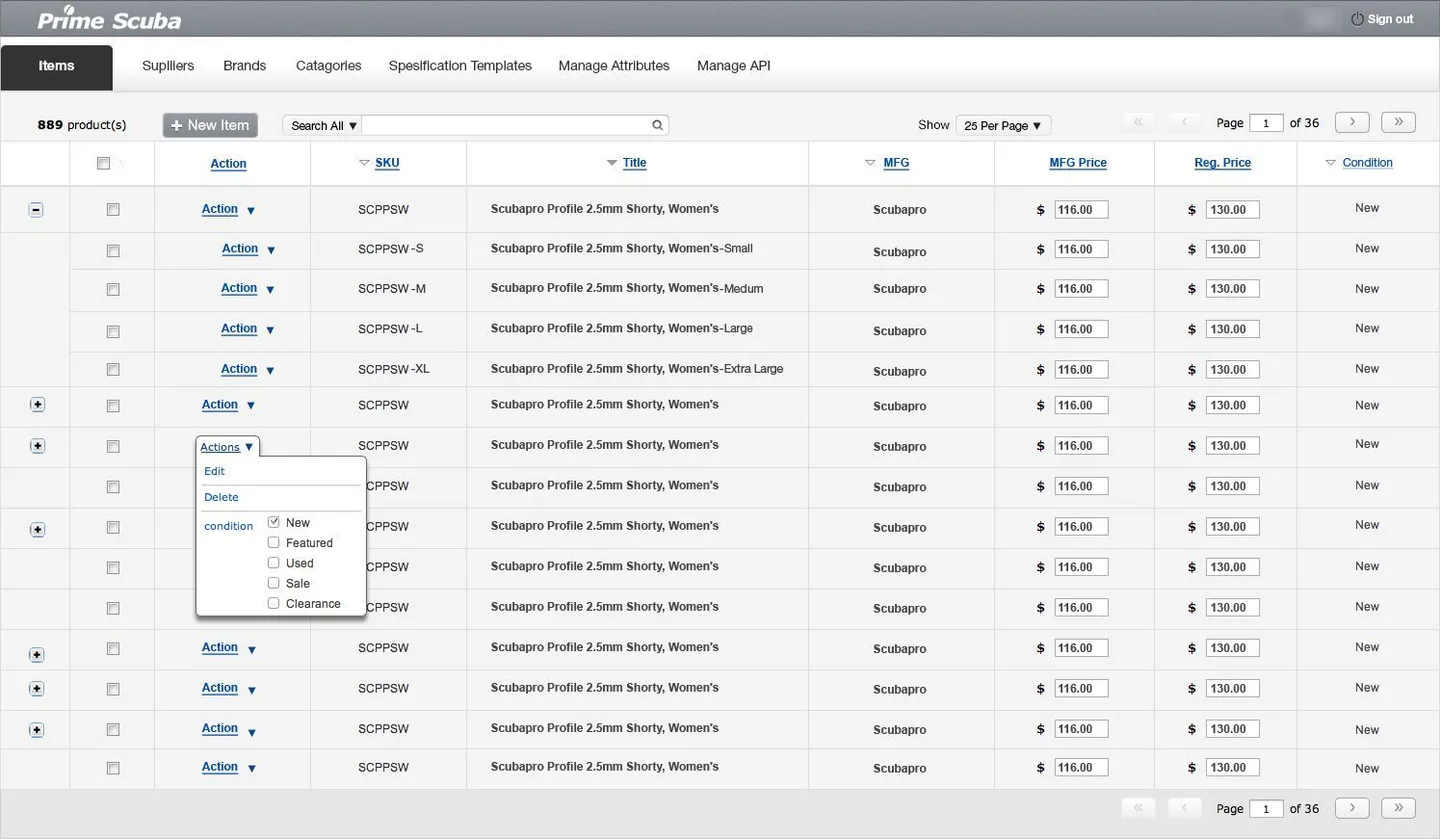
- A CakePHP admin web app for the catalogue: a searchable, paged items list with inline price edits, condition flags and expandable variations
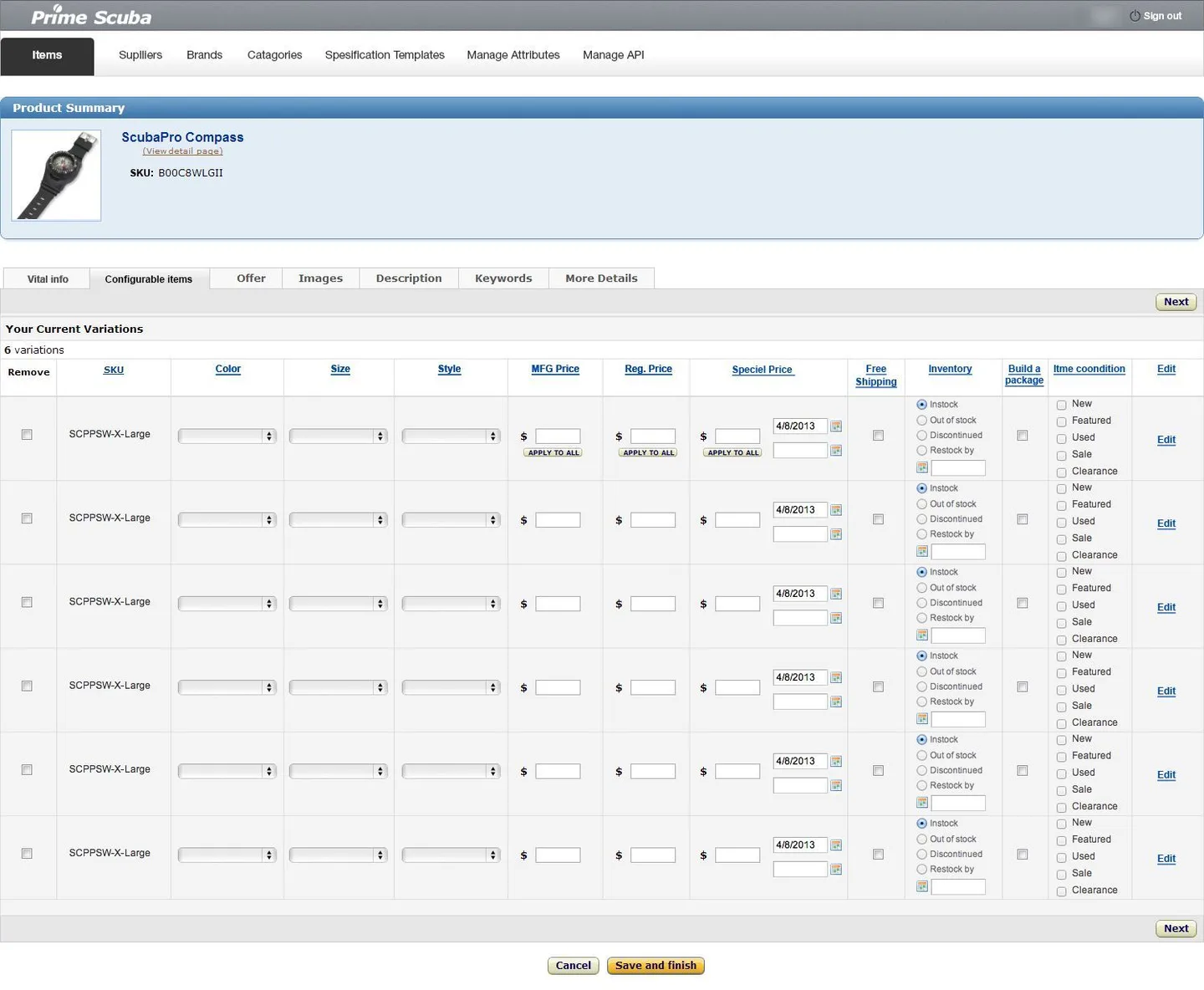
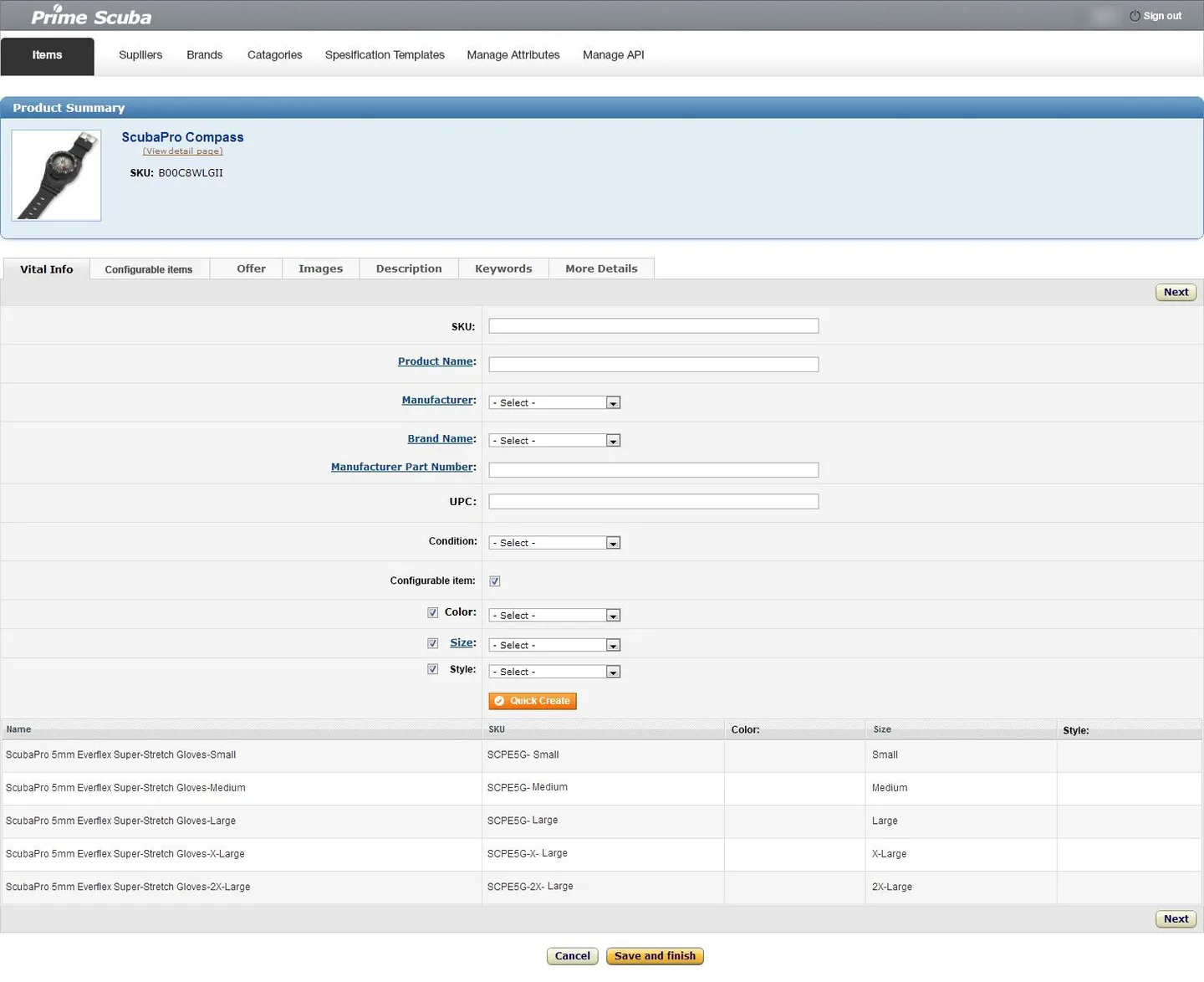
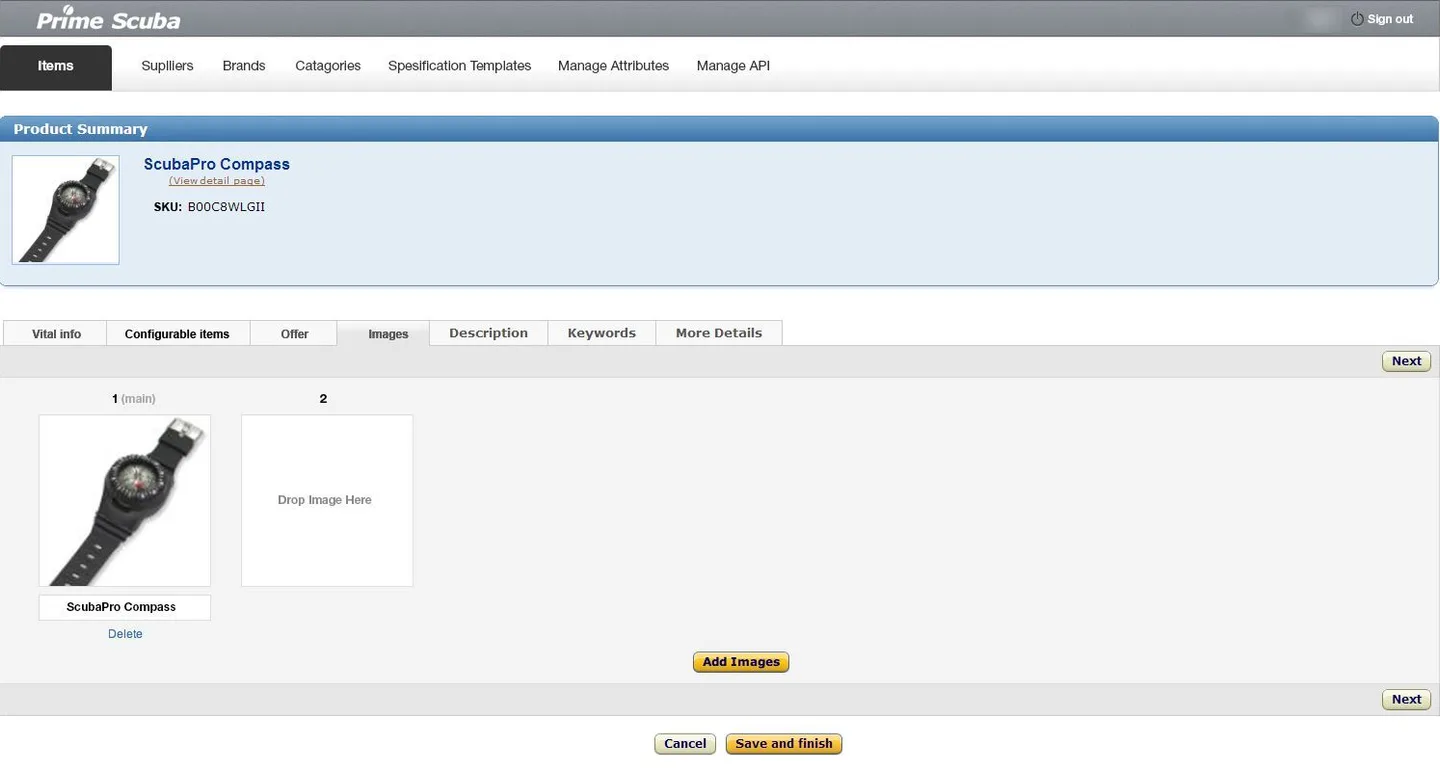
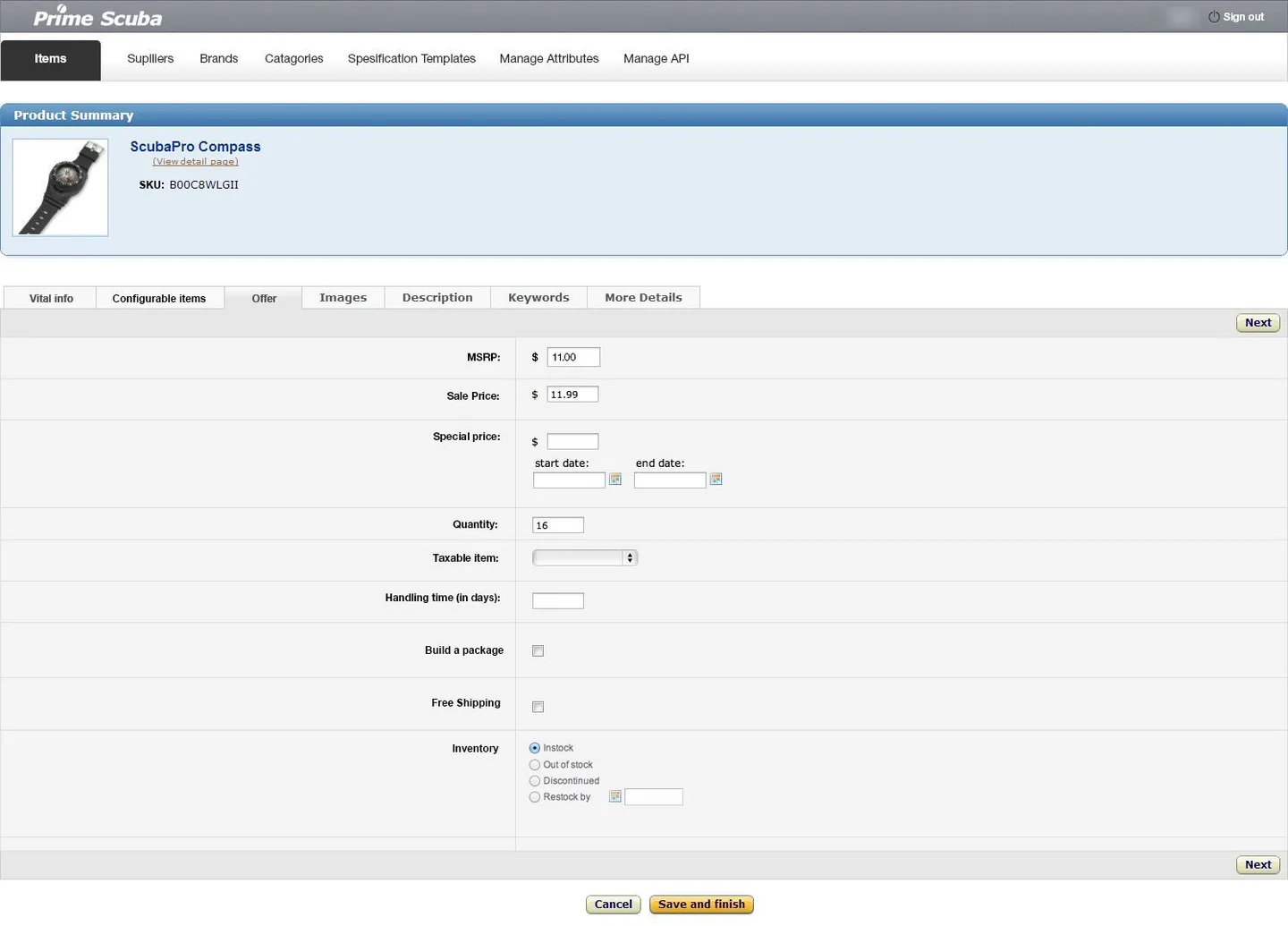
- A tabbed item editor (vital info, configurable items, offer, images, description, keywords and more details) with Quick Create of colour, size and style variations
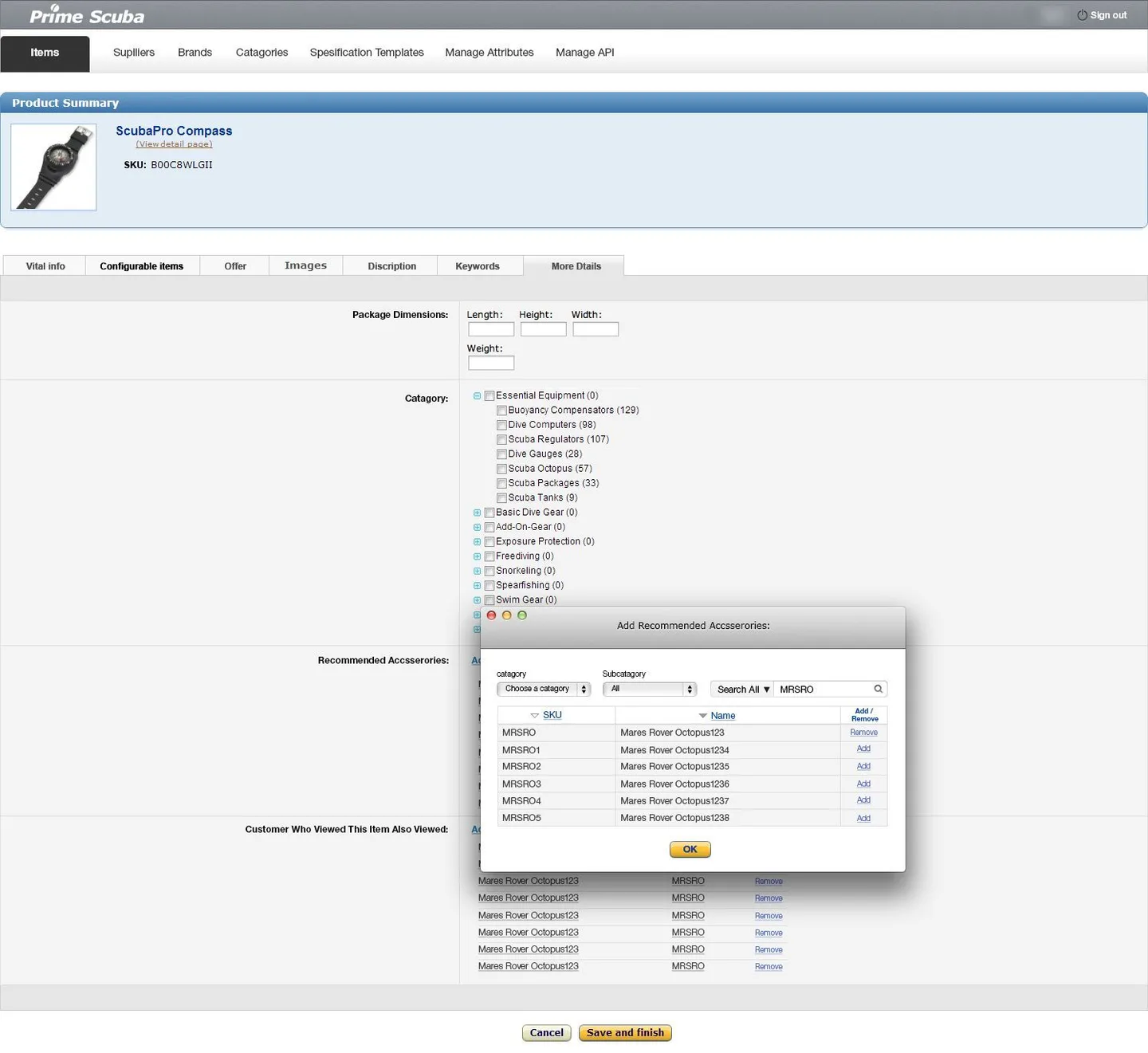
- Drag-and-drop image upload, recommended-accessory and also-viewed pickers, special prices that expire automatically, stock labels and inventory filters
- Supplier, brand and category management, brand size charts, specification templates and attribute management
- A queue-based Magento connector with an id map and audit log, creation of custom attributes in Magento, and CSV import scripts for products and linked products
- The web app interface design, with static HTML mock-ups
How a system like this fits together
Reference architecture: product information manager feeding a Magento store
Simplified reference architecture, not a client schematic.
- Catalogue staff sign in to the admin web app (CakePHP) and manage items with their colour, size and style variations, prices, images, brands, suppliers, categories, size charts and attributes.
- Every change is saved in MySQL, where it is also written to a sync queue; CSV import scripts bulk-load products and linked products and queue them in the same way.
- The sync connector reads the queue and keeps an id map and an audit log of what it sent, also in MySQL.
- The connector pushes categories, attributes and products to the Magento store through its web service API, and the catalogue appears on the storefront.
- Shoppers browse and buy on the Magento storefront, which has a custom theme and checkout and is cached with Varnish and Memcache.
Technology used
| Layer | Choice | Purpose |
|---|---|---|
| Data | MySQL | catalogue, sync queue, id map and audit log |
| Store | Magento, custom theme | storefront, checkout and account pages |
| Integration | Magento web service API | pushes categories, attributes and products |
| Payments | PayPal, Amazon Checkout, Google Checkout | checkout payment methods |
| Admin app | CakePHP (PHP), jQuery, jQuery UI, CKEditor | catalogue management screens |
| Performance | Varnish, Memcache | storefront caching |
What happened next
- Delivered
The work described above was delivered to the client.
- Operational facts
- Our work on this project spanned 2012–2017.
- It was maintained and extended over 5 years.
Screens
Could this be your project?
- You run a retail brand or an online store and need custom ordering, checkout, catalogue or customer-loyalty rules. Magento development
- You need a web application with user accounts, admin tools and reporting. Website and web app development
- You work in retail and ecommerce and want a team that has built for it before. Retail and eCommerce work
Questions about this project
How long did this project take?
Our work on it ran from 2012 to 2017.
What technology was used?
MySQL, Magento, Magento web service API, PHP, PayPal, CakePHP, CKEditor, Varnish, Memcached, Amazon Checkout, Yotpo, HTML, CSS, jQuery, jQuery UI.
Was it maintained and extended over time?
Yes. Our work on this project was maintained and extended over 5 years, from 2012 to 2017.
What the client says
if you need a developer that not only gets things done, but gets it done fast its Baljinder
Similar work
Also MySQL and PHP, same industry
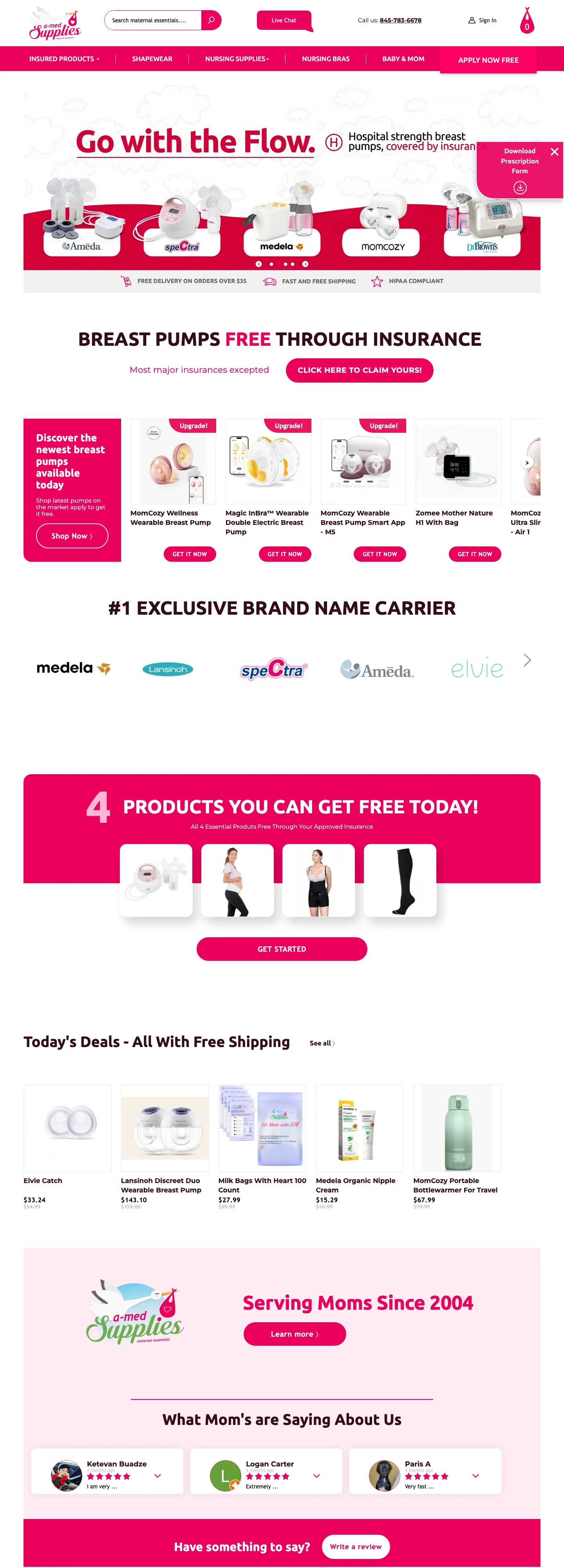
Insurance-ordering online store for a medical supplier
A PrestaShop store for breast pumps and accessories with insurance-covered ordering flows, a multi-step checkout, FSA and Tricare support and payment gateways.
Also MySQL and Magento, same industry
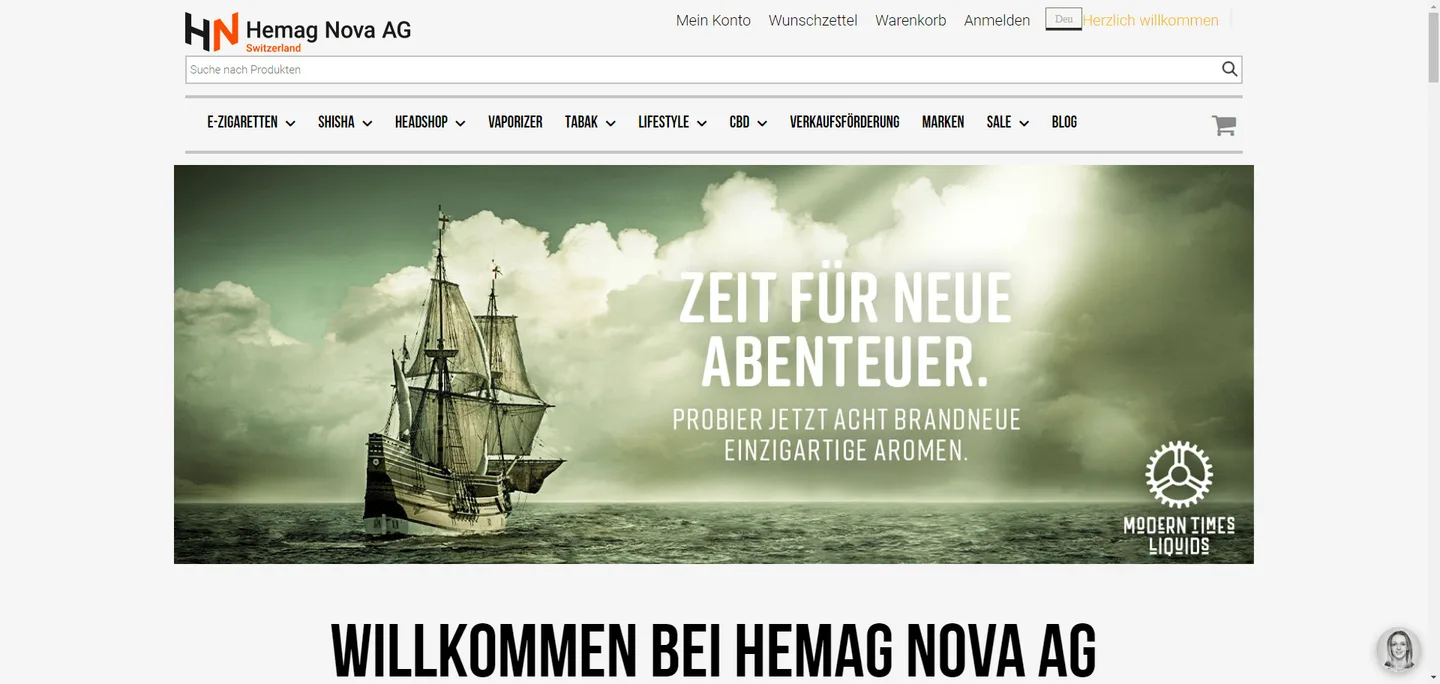
Hemag Nova AG: multi-store Magento 2 platform
A Magento 2 platform for several storefronts: custom shipping and product import modules, a partial Magento 1 migration, Algolia search and responsive theming.
Also MySQL and PHP, also a web app
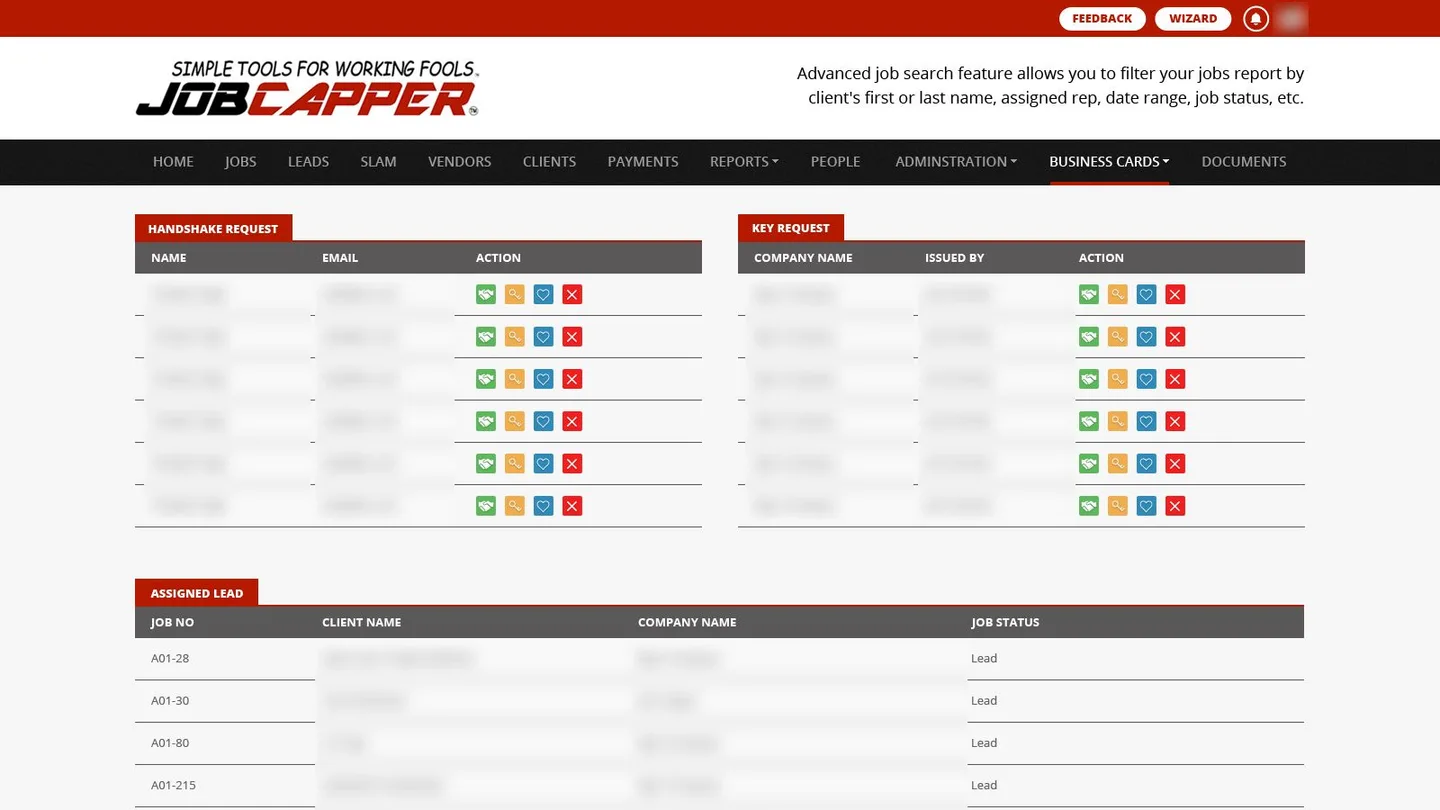
JobCapper: job, lead and commission portal
A web portal for trade contractors to manage jobs, leads, payments, commissions and reports, with a business-card and handshake network, subscription plans and a full interface design.